Adam Taggart


There are literally thousands and thousands of books that have been written on how to amass wealth. Some excellent, some less so; and too many not worth the paper they're printed on. Each posits its own special strategy, promising a future of riches to the reader. Of course, were there a sure-fire recipe for making millions, it's a safe bet that the last thing the guy who figured it out would do is share it with the world.
But as mentioned, some of these books have real value. One whose lessons have stuck with me in the decades since I first read it is The Millionaire Next Door: The Surprising Secrets of America's Wealthy, first published in 1996 by two PhD researchers, Thomas Stanley and William Danko,
The Importance Of Perseverance
There are literally thousands and thousands of books that have been written on how to amass wealth. Some excellent, some less so; and too many not worth the paper they're printed on. Each posits its own special strategy, promising a future of riches to the reader. Of course, were there a sure-fire recipe for making millions, it's a safe bet that the last thing the guy who figured it out would do is share it with the world.
But as mentioned, some of these books have real value. One whose lessons have stuck with me in the decades since I first read it is The Millionaire Next Door: The Surprising Secrets of America's Wealthy, first published in 1996 by two PhD researchers, Thomas Stanley and William Danko,


Executive Summary
If you have not yet read Part 1: Fortunes Will Be Made & Lost When Capital Flees To Safety available free to all readers, please click here to read it first.
So, given the conclusions in Part 1 — as well as the larger risks to the economy and financial markets that we analyze daily here at Peak Prosperity — how am I positioning my own personal investments?
I get asked this question often. Often enough that I'm deciding to open the kimono here and let it drop to the ground. Everyone interested to look will get the full frontal.
Before I do though, let me make a few things absolutely clear. This is NOT personal financial advice. The investment choices I've made are based on my own unique situation, financial goals and risk tolerance. And I may change these choices at any moment given new market developments. What's appropriate for me may not be for you, so DO NOT blindly duplicate what I'm doing.
As always, we recommend working with a professional financial adviser to build an investment plan customized to your own needs and objectives. (If you do not have a financial adviser or do not feel comfortable with your current adviser's expertise in the market risks we discuss here at PeakProsperity.com, consider scheduling a free consultation with our endorsed adviser)
Suffice it to say, any investment ideas sparked by this report should be reviewed with your financial adviser before taking any action. Am I being excessively repetitive here in order to drive this point home? Good…
OK, with that out of the way, let's get started. I'll walk through the asset classes I own and my rationale for holding each.
The strategy behind my portfolio allocation is of my own devise, though it has been influenced in no small part by the good folks at New Harbor Financial, Peak Prosperity's aforementioned endorsed financial adviser.
At a high level, it has been constructed to address my strongly-held conclusions that:
- Prices of most asset classes are dangerously overvalued
- The risk of another economic contraction on par with (or greater than) the Great Recession within the next 2-4 years is uncomfortably high
- The most likely path is we will experience a short period of coming deflation, followed soon after by one of high inflation as central banks starting printing currency without restraint (the Ka-POOM theory)
- Capital will increasingly want to flow from paper assets (tertiary wealth) into tangible ones (primary and secondary wealth)
- This is a time to prioritize protecting capital (defense) over speculating on how to grow it (offense)
- Diversification is wise: just be emotionally prepared that some of your bets, by definition, will not pay off
- In today's world of financial repression, no asset class is truly "safe". As such, asset performance is all relative.
This is not a swing-for-the-fences portfolio. It's much more of a prepare-for-the-storm approach…
How My Personal Portfolio Is Positioned Right Now
PREVIEWExecutive Summary
If you have not yet read Part 1: Fortunes Will Be Made & Lost When Capital Flees To Safety available free to all readers, please click here to read it first.
So, given the conclusions in Part 1 — as well as the larger risks to the economy and financial markets that we analyze daily here at Peak Prosperity — how am I positioning my own personal investments?
I get asked this question often. Often enough that I'm deciding to open the kimono here and let it drop to the ground. Everyone interested to look will get the full frontal.
Before I do though, let me make a few things absolutely clear. This is NOT personal financial advice. The investment choices I've made are based on my own unique situation, financial goals and risk tolerance. And I may change these choices at any moment given new market developments. What's appropriate for me may not be for you, so DO NOT blindly duplicate what I'm doing.
As always, we recommend working with a professional financial adviser to build an investment plan customized to your own needs and objectives. (If you do not have a financial adviser or do not feel comfortable with your current adviser's expertise in the market risks we discuss here at PeakProsperity.com, consider scheduling a free consultation with our endorsed adviser)
Suffice it to say, any investment ideas sparked by this report should be reviewed with your financial adviser before taking any action. Am I being excessively repetitive here in order to drive this point home? Good…
OK, with that out of the way, let's get started. I'll walk through the asset classes I own and my rationale for holding each.
The strategy behind my portfolio allocation is of my own devise, though it has been influenced in no small part by the good folks at New Harbor Financial, Peak Prosperity's aforementioned endorsed financial adviser.
At a high level, it has been constructed to address my strongly-held conclusions that:
- Prices of most asset classes are dangerously overvalued
- The risk of another economic contraction on par with (or greater than) the Great Recession within the next 2-4 years is uncomfortably high
- The most likely path is we will experience a short period of coming deflation, followed soon after by one of high inflation as central banks starting printing currency without restraint (the Ka-POOM theory)
- Capital will increasingly want to flow from paper assets (tertiary wealth) into tangible ones (primary and secondary wealth)
- This is a time to prioritize protecting capital (defense) over speculating on how to grow it (offense)
- Diversification is wise: just be emotionally prepared that some of your bets, by definition, will not pay off
- In today's world of financial repression, no asset class is truly "safe". As such, asset performance is all relative.
This is not a swing-for-the-fences portfolio. It's much more of a prepare-for-the-storm approach…


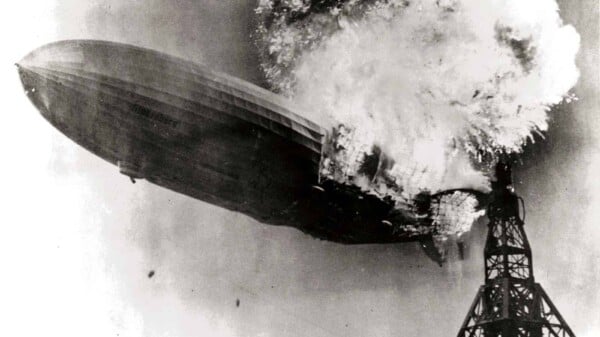
Anyone involved with managing projects, people or systems knows that the only thing that can be planned with absolute certainty is that things will never go 100% according to plan.
This is true even in exceedingly simple situations, which we've written about at length here at Peak Prosperity (the uncontrollable nature of the straightforward Beer Game detailed in this post on the Bullwhip Effect outlines this well). And it's one of the truisms that gives us the most confidence that the world's central planners will eventually lose control of the global systems they are trying to manage via increasingly heavy-handed intervention.
The Inevitability Of Unintended Consequences
Anyone involved with managing projects, people or systems knows that the only thing that can be planned with absolute certainty is that things will never go 100% according to plan.
This is true even in exceedingly simple situations, which we've written about at length here at Peak Prosperity (the uncontrollable nature of the straightforward Beer Game detailed in this post on the Bullwhip Effect outlines this well). And it's one of the truisms that gives us the most confidence that the world's central planners will eventually lose control of the global systems they are trying to manage via increasingly heavy-handed intervention.


Total 272 items
Community
Top Conversation
Fauci's Private Diary Exposes Stark Contradictions on Lab Leak, Lethality, Lockdowns & Vaccines by sand_puppy
American Gold Exchange
Learn more