


Our hopes have been dashed that the Trump team would find a way to quietly back away from Iran, allowing the Strait of Hormuz to reopen.
Instead, the intensity of the back-and-forth bombings and missile attacks have intensified.
The greatest concern we had – a fear, really- was that the US would escalate to the point that Iran would make good on its long-standing threat to begin targeting other Gulf country oil and infrastructure assets.
Yesterday that happened.
The US pounded a wide variety of Iranian coastal assets, including the control tower for the Chabahar port. Pete Hegseth posted a trophy shot:
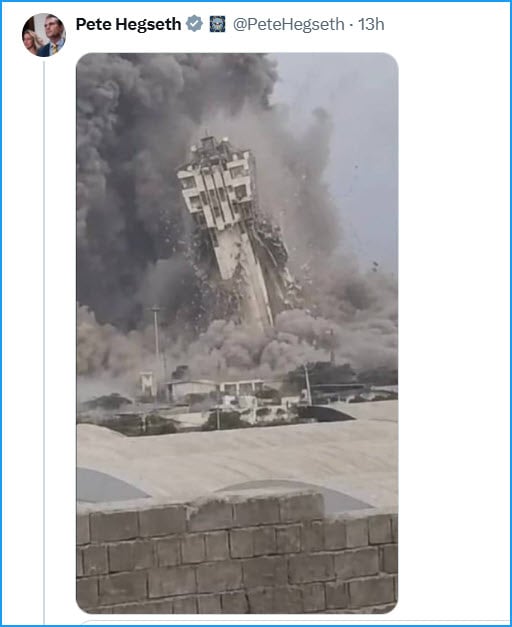
The US also struck bridges and power lines and has begun bringing dozens more refueling tankers into the region, hinting at a wider program of attacks in the coming days.
Iran immediately responded and hit targets in Kuwait, Bahrain, Oman, and the UAE.
More notably, Iran reportedly hit the BAPCO refinery in Bahrain:
BREAKING: Initial reports Iran has struck the BAPCO oil refinery in Manama, Bahrain, with a large fire breaking out. pic.twitter.com/QHu8DgGImX
— The Hormuz Letter (@HormuzLetter) July 17, 2026
And a power plant and desalination facility in Kuwait:
Kuwait says that one of the country's power and water desalinations plans suffered "severe damage" after an Iranian attack.
— Javier Blas (@JavierBlas) July 17, 2026
Now we’re at a critical juncture. If things spiral out of control further, and at present it seems they very well might, then the world’s energy emergency may become a complete energy nightmare.
Currently, the U.S. is moving a large number of aircraft into the region and has reportedly commenced another night of bombing Iran’s coastal targets.
If Iran responds, and then the US escalates further, the unthinkable might happen. If Iran attacks more regional energy targets, beyond a certain threshold, it will

 by cmartenson